Staying Motivated: Why Most People Quit Dog Training (And How Not To)
You download a training guide, buy the treats, set a schedule — and three weeks later, you've stopped completely. If this sounds like you, you're not alone. Most dog owners start training with the best intentions but lose steam before they see real results. Here are five strategies to stay the course.
1. Start Smaller Than You Think
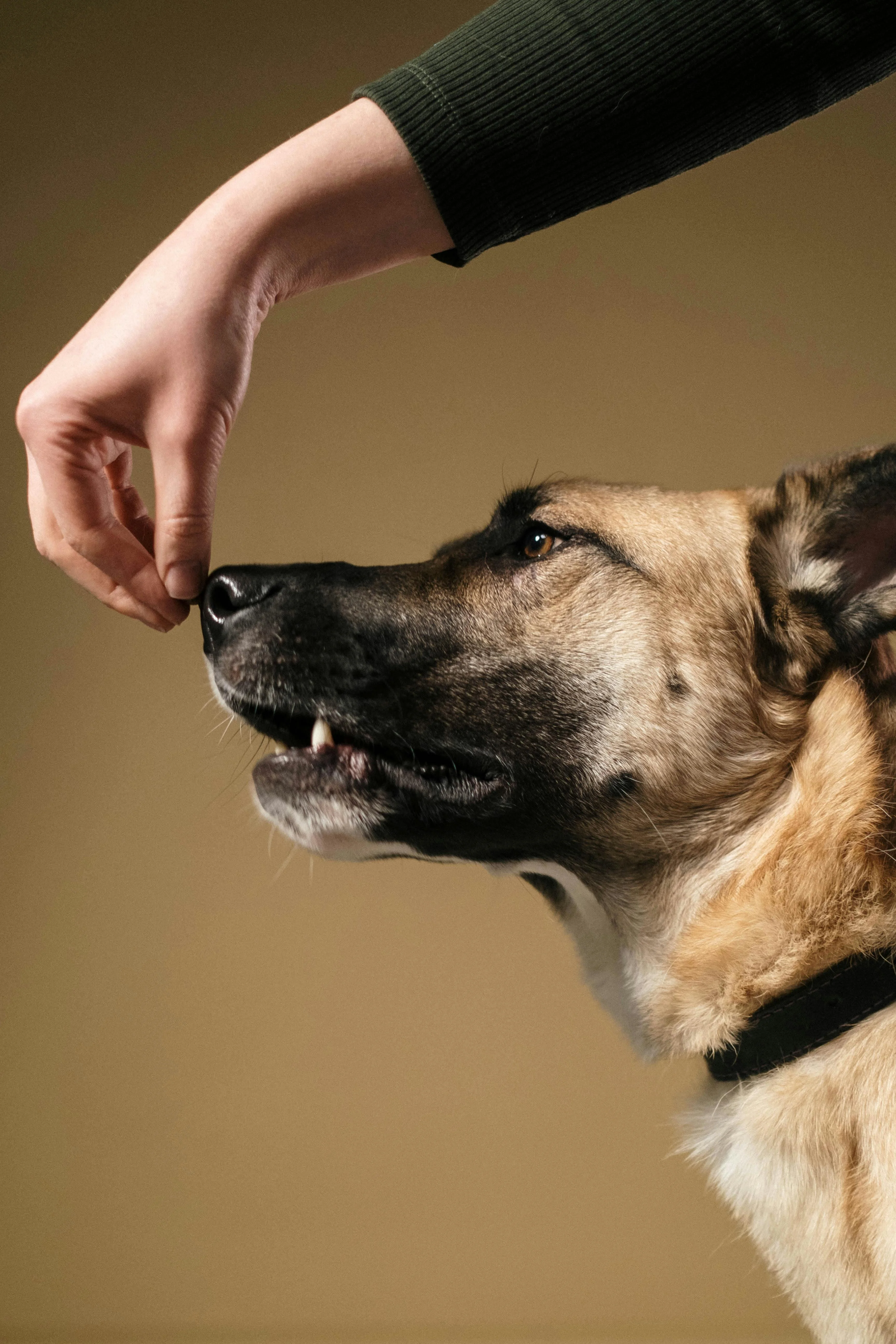
The number one reason people quit? They try to do too much too fast. You don't need hour-long training sessions. In fact, most dogs learn better in short bursts.
Start with just 5 minutes a day. That's it. Five focused minutes are better than an ambitious 30-minute plan you'll abandon by day four. Once the habit is established, you can gradually increase.
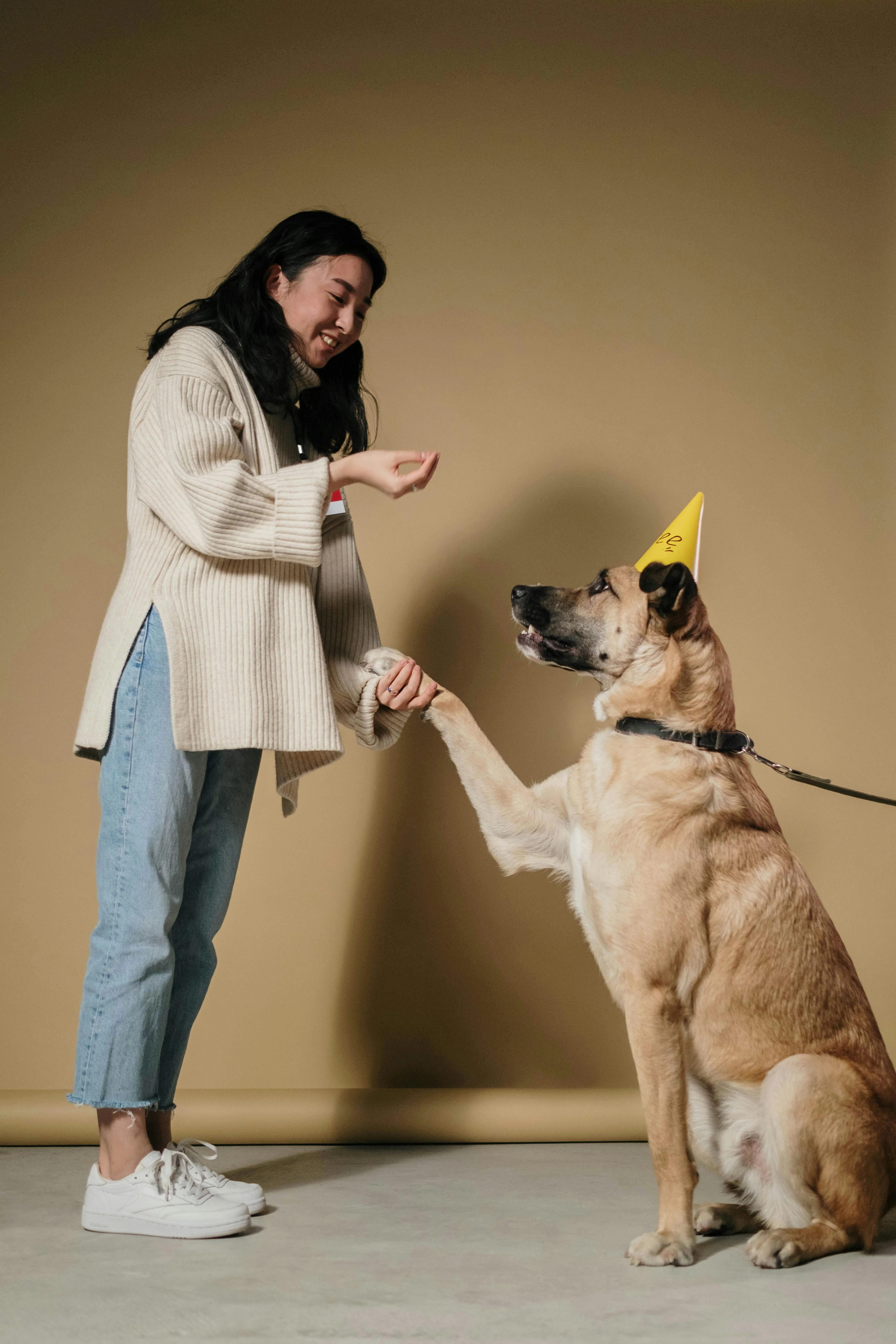
The key: Make it so easy you can't say no. "I'll practice sit three times before dinner" is a better starting point than "I'll train for 30 minutes every morning."
2. Track Your Progress
You can't see day-to-day improvements when you're in the middle of training. But look back over a month of logged sessions and the progress jumps off the page.
Tracking does three things for motivation:
- Makes progress visible: You'll see patterns you'd otherwise miss
- Creates accountability: A streak of logged sessions is hard to break
- Provides direction: Your notes tell you exactly what to work on next
3. Celebrate Every Win
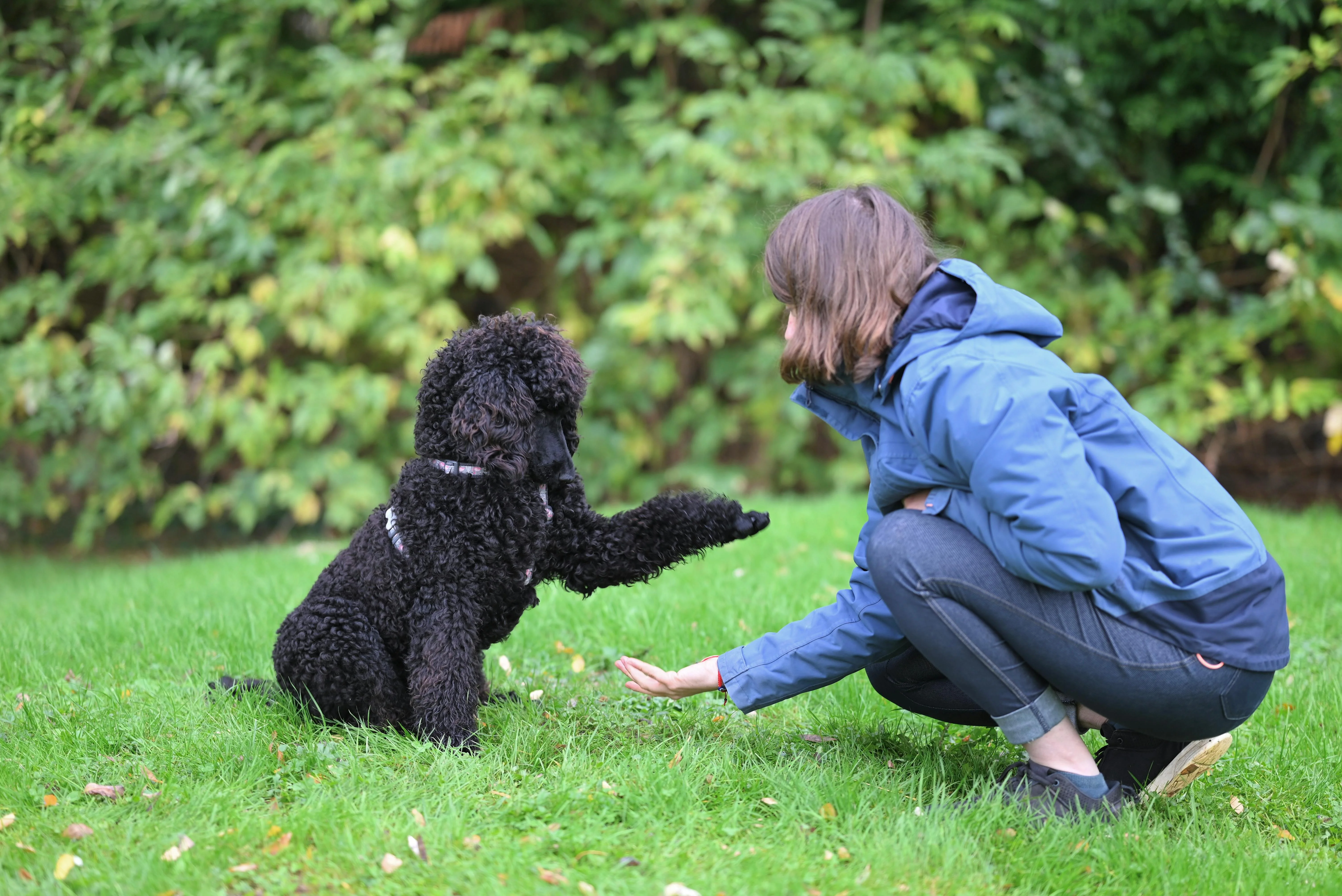
Dog training is full of small victories that are easy to overlook. Your dog held a stay for 5 seconds? That's real progress. They looked at you instead of barking at a squirrel? Huge win.
Create a habit of recognizing milestones:
- Take a "graduation" photo when your dog nails a new skill
- Share wins with friends, family, or an online dog community
- Give yourself credit — training takes patience and consistency
- Keep a "wins" list you can review when motivation dips
Small celebrations create positive associations with training — for you, not just your dog.
4. Build Training into Your Routine
Motivation fades. Routines don't. The most consistent dog owners don't rely on willpower — they attach training to existing habits.
- Before meals: Practice "sit" and "wait" before putting the bowl down
- During walks: Work on loose leash walking and recall naturally
- At the door: Practice "wait" before going outside
- Commercial breaks: Quick trick practice while watching TV
When training is woven into daily life instead of being a separate "task," it stops feeling like work.
5. Get Support
Training alone is hard. Having someone — or a community — to share the journey with makes a massive difference.
- Join an online dog training group for accountability
- Find a training buddy at your local park
- Share your progress with family members so they can encourage you
- Use an app that reminds you and tracks your consistency
You don't need a professional trainer to stay on track (though they can help). You just need someone who understands why your dog finally sitting on the first ask is a big deal.
The Bottom Line
Staying motivated with dog training isn't about willpower — it's about setting yourself up for success. By starting small, tracking progress, celebrating wins, building routines, and getting support, you'll build the kind of consistency that produces real results.
The dog owners who succeed aren't more talented or more disciplined. They just have better systems. Put yours in place, and watch how training goes from something you dread to something you and your dog look forward to every day.
Enjoyed this article?
Subscribe to get more training insights and updates delivered to your inbox.