Leash Training Made Simple: How to Stop Your Dog from Pulling for Good
You step outside for what should be a pleasant walk, but before you've taken two steps, your dog is dragging you down the sidewalk like a sled dog on a mission. Your arm aches, your shoulder's sore, and you're dreading tomorrow's walk before this one is even over. Sound familiar? You're not alone—leash pulling is one of the most common complaints among dog owners. The good news? It's completely fixable when you understand why it happens and what actually works to stop it.
Why Dogs Pull on Leash
Before we dive into solutions, it helps to understand what's driving the behavior. Dogs don't pull on leash to be stubborn or dominant—those explanations are outdated and unhelpful.
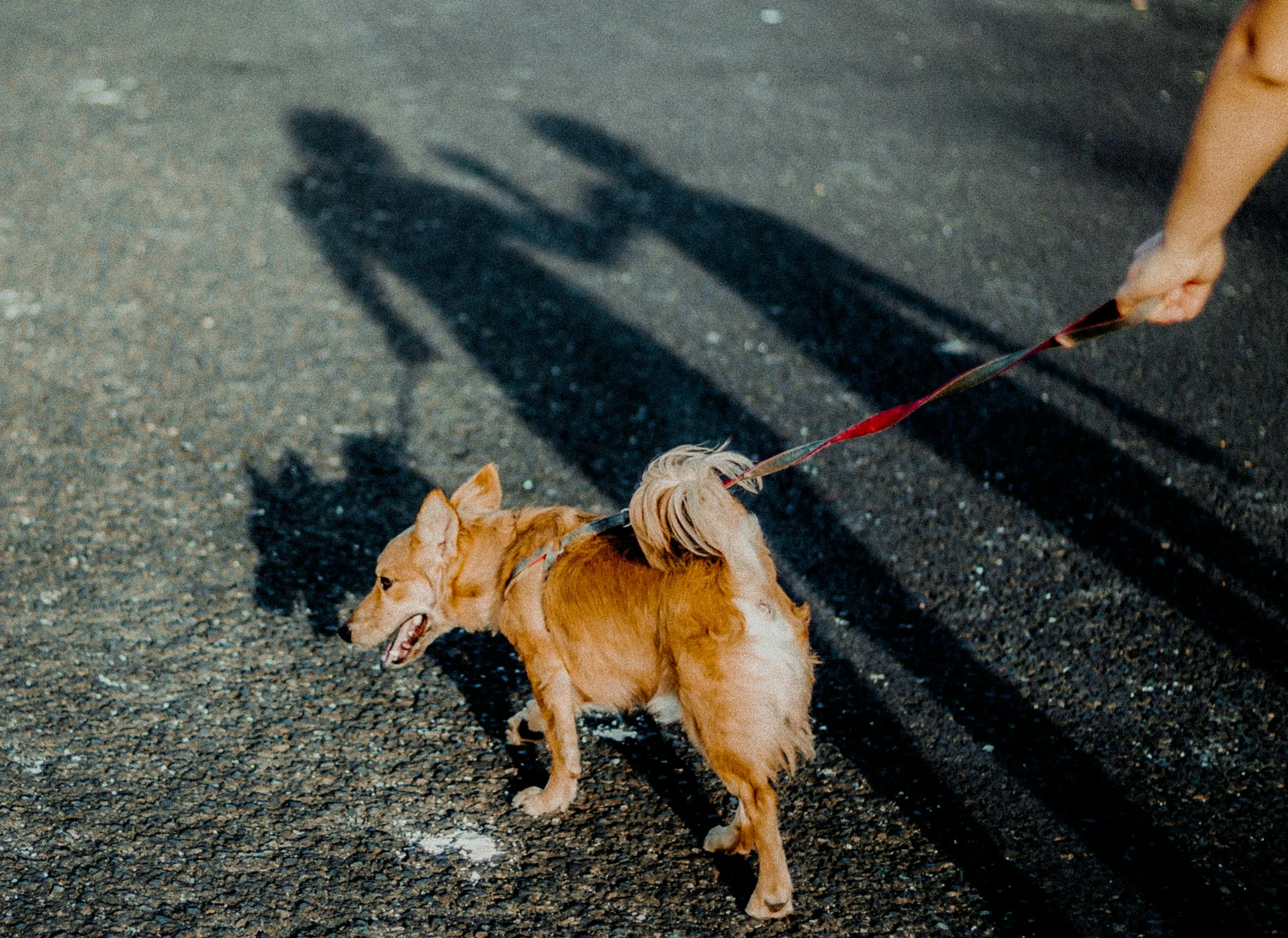
Dogs pull because it works. When your dog pulls toward the park and you move forward, they learn that pulling gets them where they want to go. Every step you take while they're pulling reinforces the behavior. You're unintentionally teaching them that pulling is the fastest way to interesting smells, other dogs, and exciting destinations.
Second, dogs naturally walk faster than us. An average human walking pace is about 3 miles per hour. Most dogs prefer 4-6 miles per hour. Without training, they're simply moving at their natural speed—which happens to be faster than yours.
Finally, the world is incredibly stimulating for dogs. Their sense of smell is 10,000 to 100,000 times more acute than ours. Every fire hydrant, tree, and patch of grass holds a wealth of information. When something exciting appears ahead, their first instinct is to rush toward it, not to check whether you're keeping up.
Common Leash Training Mistakes
Well-meaning owners often make these errors that actually make pulling worse:
- Using a retractable leash: These teach dogs that pulling extends the leash, giving them more freedom. They're essentially pulling-training devices.
- Letting pulling work sometimes: If you allow pulling when you're in a hurry but not other times, you create an inconsistent pattern that confuses your dog and slows progress.
- Yanking the leash: Harsh corrections create negative associations with walking and can damage your dog's trachea. They also don't teach what you want—they only teach what you don't want.
- Talking too much: Constant "heel, heel, heel" or "slow down" becomes background noise your dog learns to ignore. Dogs respond better to actions than words.
- Expecting too much too soon: Loose leash walking is a skill that takes weeks or months to develop, not days. Frustration and impatience undermine your training.
The Right Way to Teach Loose Leash Walking
Here's a step-by-step approach that actually works. It requires patience and consistency, but you'll see progress quickly if you stick with it.
1. Start with the Right Equipment
Use a standard 6-foot leash (not retractable) and a well-fitted harness or flat collar. Front-clip harnesses can help during training because they redirect pulling energy to the side rather than forward, making it less rewarding.
2. Practice the "Be a Tree" Technique
This is the foundation of loose leash training. The moment your dog pulls and the leash tightens, you stop moving completely. Stand still like a tree. Don't move forward until your dog creates slack in the leash by stepping back toward you or to the side.
The instant the leash loosens, say "yes" or click if you're using a clicker, then immediately start walking again. You're teaching that a loose leash makes the walk continue, while a tight leash makes everything stop.
In the beginning, you might stop every three steps. That's normal. Your first "walk" might only cover 50 feet in 10 minutes. Stick with it—consistency is everything.
3. Add Direction Changes
When your dog starts to pull ahead, don't just stop—change direction entirely. Turn and walk the opposite way. This teaches your dog to pay attention to where you're going rather than forging ahead on autopilot.
At first, this will feel chaotic. You'll zigzag around like you don't know where you're going. But after a few sessions, your dog will start checking in with you more frequently, anticipating your movements rather than ignoring you.
4. Reward Generously at First
Bring high-value treats on every walk during the training phase. Every few steps your dog walks with a loose leash, mark it with "yes" and deliver a treat. You're building a strong history of reinforcement for the behavior you want.
As your dog improves, you can gradually reduce the frequency of treats, but never eliminate them completely. Even well-trained dogs benefit from occasional rewards to maintain motivation.
5. Make Yourself More Interesting
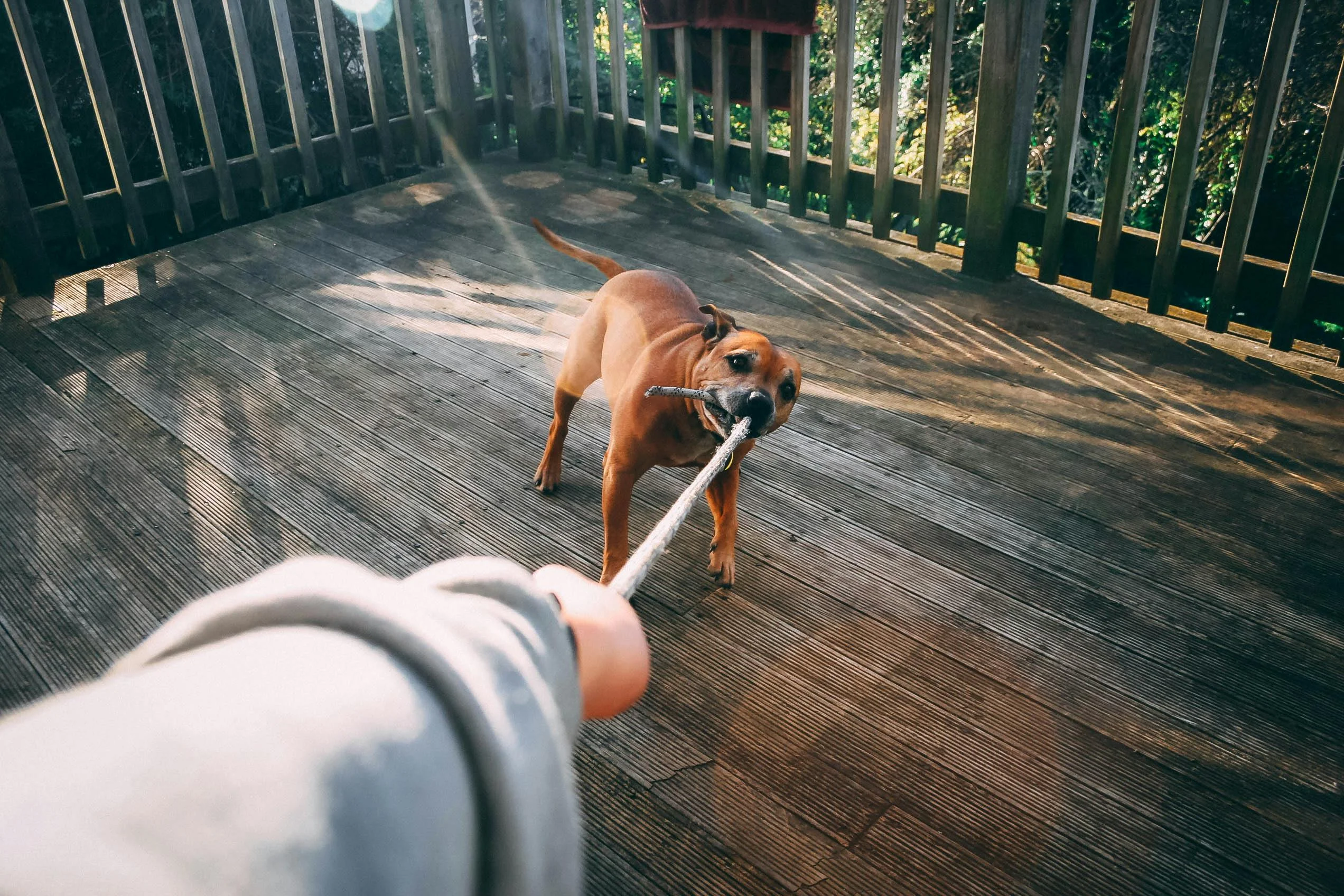
Your dog pulls toward things that are more exciting than you. Change that dynamic. Use an upbeat voice, bring toys, play spontaneous games of tug or fetch during walks (in safe areas). When you become the most interesting part of the walk, your dog will naturally want to stay closer.
6. Practice in Low-Distraction Environments First
Don't start training in the most exciting place available. Begin in your driveway or a quiet side street where there are fewer distractions. As your dog improves, gradually increase the challenge by practicing in busier areas.
Tools That Actually Help
While training is the real solution, certain equipment can make the process easier:
- Front-clip harness: Redirects pulling energy and gives you better control without causing discomfort.
- Treat pouch: Keeps rewards accessible so you can deliver them quickly when your dog does the right thing.
- Standard 6-foot leash: Provides enough freedom for your dog to explore while maintaining clear communication.
Avoid prong collars, choke chains, and shock collars. These tools suppress pulling through discomfort or pain rather than teaching your dog what you actually want them to do. They can also create anxiety, aggression, and other behavioral problems.
Troubleshooting Common Issues
My dog only pulls toward other dogs or people. This is excitement-based pulling, often called "frustrated greeting." Practice the "be a tree" technique here too. Your dog doesn't get to greet anyone or anything while the leash is tight. Only when they're calm and the leash is loose do you move forward. It takes patience, but it works.
My dog pulls me back toward home. Your dog may be anxious or fearful. Don't force them to continue. Instead, work on building positive associations with the environment through shorter, more positive walks with plenty of treats and encouragement. If the behavior persists, consult a certified dog trainer or veterinary behaviorist.
Training works at home but not on real walks. You're moving too fast through the training progression. Spend more time in low-distraction environments before tackling harder scenarios. Think of it like learning to play piano—you don't start with a concert hall audience.
I don't have time for all this stopping and starting. Here's the truth: you're already spending time dealing with pulling. You're choosing between a few weeks of focused training or years of being dragged around. Invest the time upfront, and future walks will be exponentially more enjoyable.
The Bottom Line
Leash pulling isn't a character flaw in your dog—it's a trainable behavior that you can change with the right approach. The key is understanding that every step you take while your dog is pulling teaches them to pull harder. When you commit to stopping the instant the leash tightens and only moving forward when it's loose, you flip the script entirely.
Yes, it takes time. Yes, your first few training walks will be frustrating. But within a few weeks, you'll notice your dog checking in with you more, staying closer, and pulling less. Within a few months, loose leash walking will become their default behavior.
The walks you've been dreading will transform into something you both genuinely enjoy—a chance to explore together, bond, and get some fresh air without the constant tug-of-war. That's worth a few weeks of dedicated training.
Now grab that leash, take a deep breath, and remember: every time you stop when they pull, you're one step closer to the peaceful walks you've been dreaming of.
Enjoyed this article?
Subscribe to get more training insights and updates delivered to your inbox.