Dog Play Behavior: The Science Behind Why Dogs Need Play
When your dog drops a ball at your feet for the hundredth time, it might feel like a simple request for entertainment. But behind those eager eyes is something far more profound: a biological need that's been hardwired into dogs for thousands of years. Play isn't just fun—it's essential for your dog's mental health, emotional development, and the bond you share.
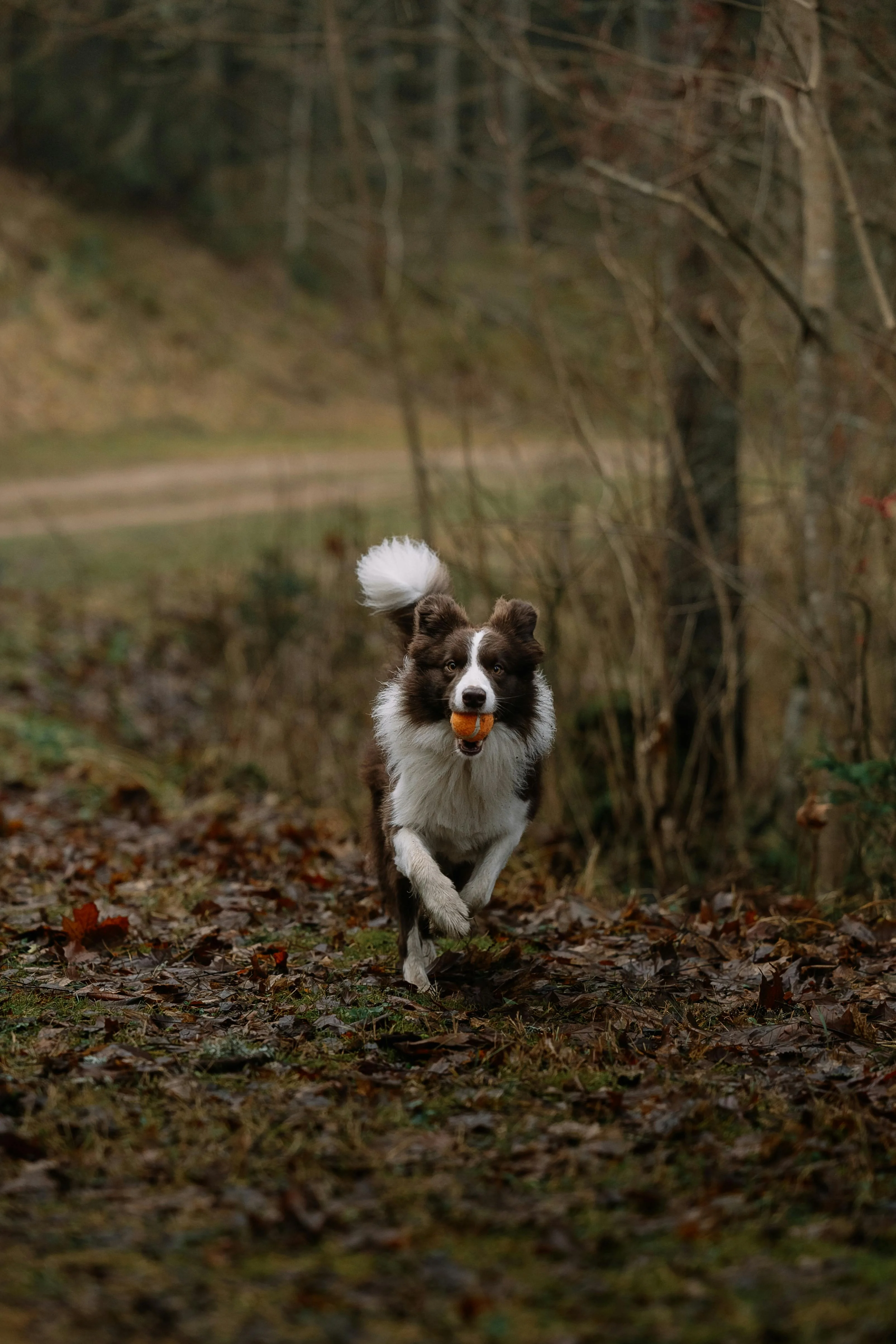
The Brain Science Behind Play
When dogs play, their brains light up like a fireworks display. Research from the University of Bristol's Animal Welfare and Behaviour group has shown that play triggers the release of dopamine and serotonin—the same "feel-good" neurotransmitters that make humans happy. But the benefits go far beyond a temporary mood boost.
During play, a dog's brain forms new neural connections, particularly in the prefrontal cortex—the region responsible for decision-making, impulse control, and social behavior. Puppies who engage in regular play sessions develop better problem-solving skills and show more adaptability in new situations as adults.
Perhaps most fascinating is what happens hormonally. Play reduces cortisol (the stress hormone) while simultaneously increasing oxytocin—the bonding hormone that strengthens attachment between dogs and their humans. This is why a good play session can calm an anxious dog more effectively than many other interventions.
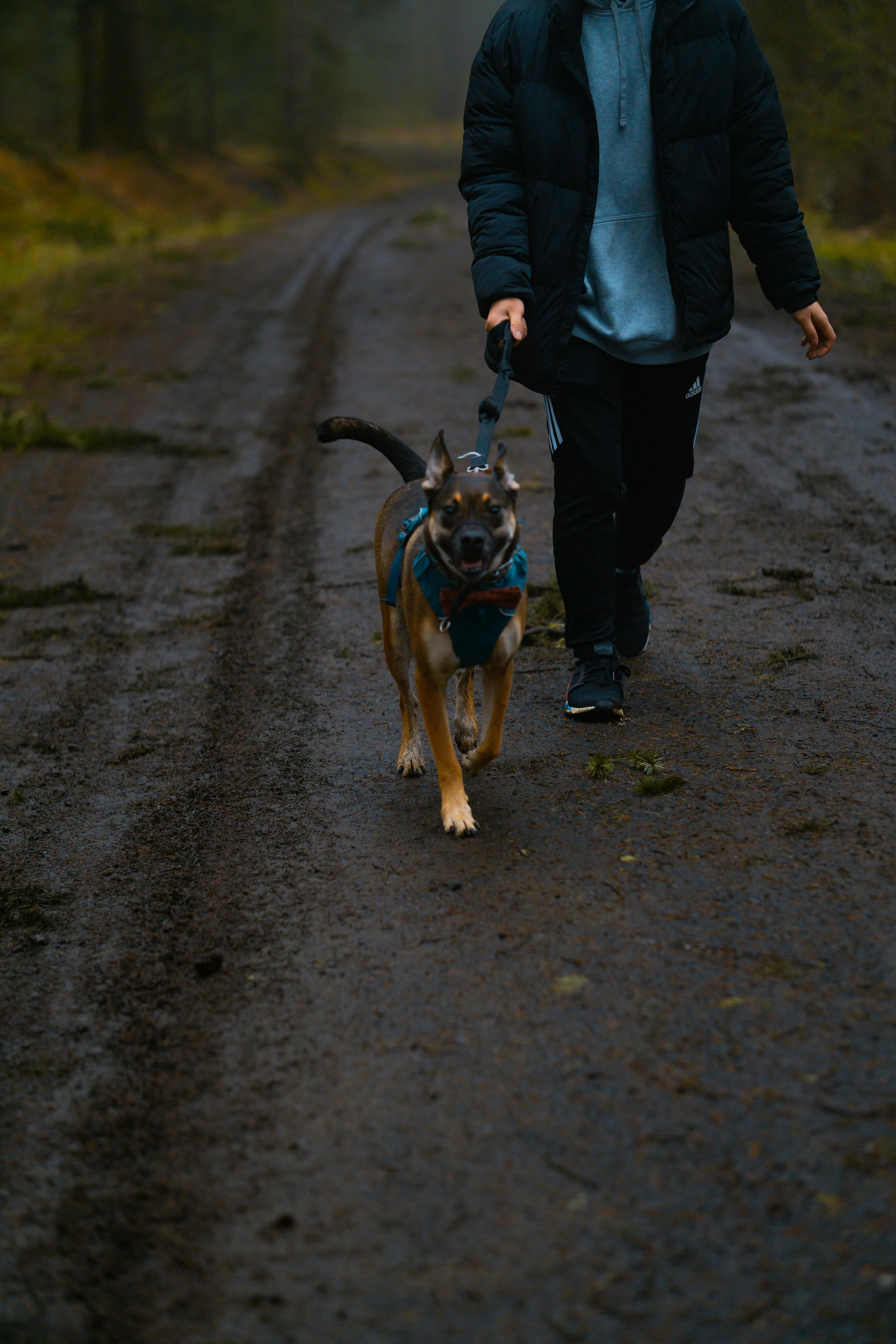
Types of Play and Their Unique Benefits
Not all play is created equal. Different types of play serve different developmental and emotional purposes, and understanding these distinctions can help you provide more enriching experiences for your dog.
Object play (fetch, tug-of-war, puzzle toys) develops problem-solving abilities and provides an outlet for natural predatory instincts. When your dog figures out how to extract a treat from a Kong or anticipates where a thrown ball will land, they're exercising cognitive muscles that keep their mind sharp.
Social play with humans or other dogs teaches impulse control, bite inhibition, and communication skills. Dogs who engage in regular social play are typically better at reading body language and responding appropriately to social cues—skills that translate directly to better behavior in everyday situations.
Locomotor play—running, jumping, the zoomies—releases pent-up energy and satisfies the natural drive to move. This type of play is especially important for high-energy breeds that were bred for work requiring sustained physical activity.
- Fetch: Combines physical exercise with anticipation and reward
- Tug: Builds strength and teaches "drop it" for impulse control
- Hide and seek: Engages scent tracking and problem-solving
- Chase games: Satisfies prey drive in a healthy, controlled way
- Wrestling: Builds social skills and bite inhibition (supervised)
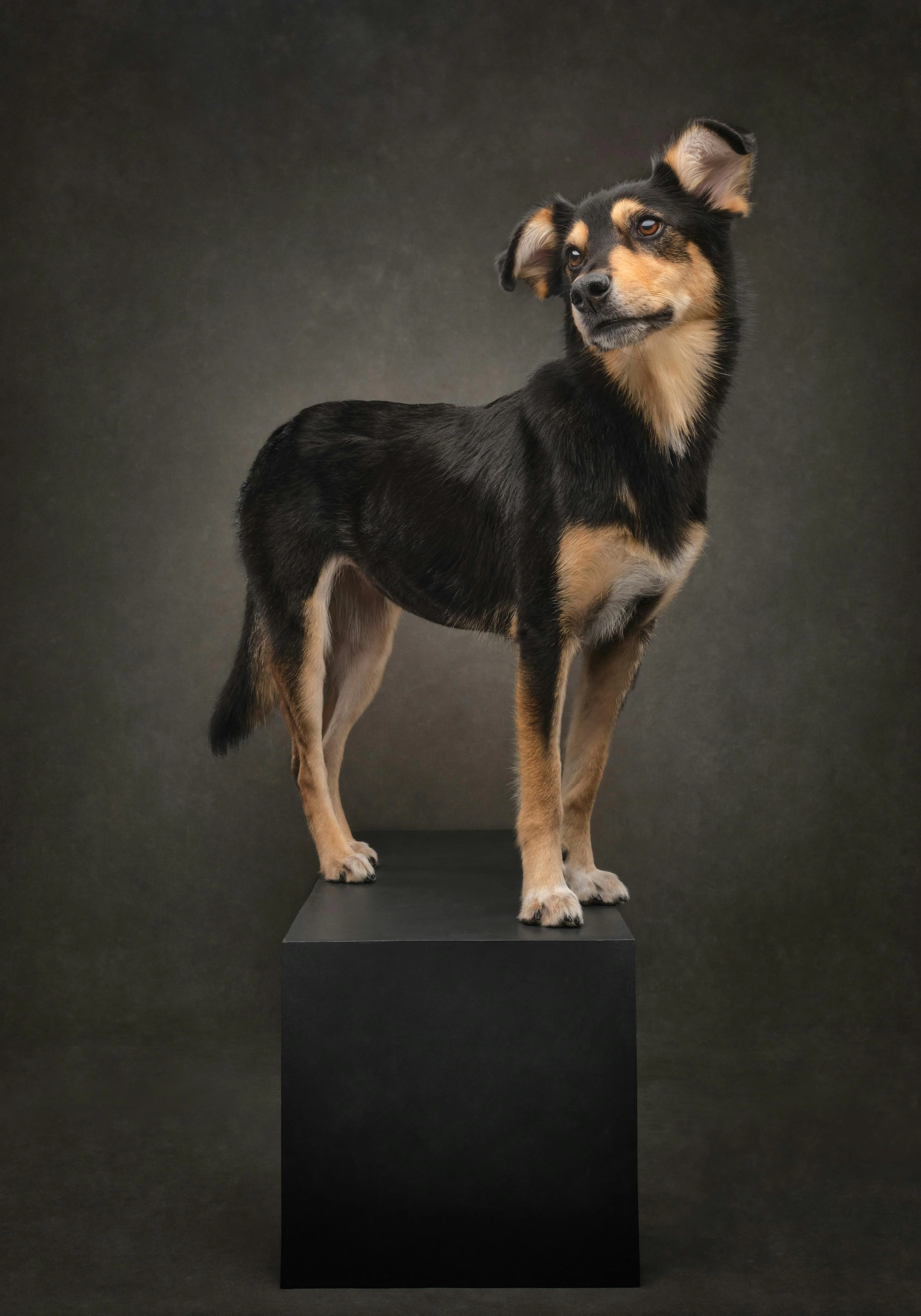
Signs Your Dog Needs More Play
Dogs communicate their needs constantly—we just have to know what to look for. A play-deprived dog often shows behavioral changes that owners might mistakenly attribute to other causes.
Watch for these indicators:
- Excessive chewing or destruction: Often a sign of boredom and unspent mental energy
- Attention-seeking behaviors: Pawing, barking, or nudging when you're trying to work
- Hyperactivity or inability to settle: Paradoxically, dogs who don't play enough often can't relax
- Weight gain: Less active dogs burn fewer calories and may overeat from boredom
- Social regression: Dogs who don't play may become less confident around other dogs or people
The amount of play a dog needs varies significantly by breed, age, and individual temperament. Working breeds like Border Collies and Australian Shepherds may need 2+ hours of active engagement daily, while lower-energy breeds might be satisfied with 30-45 minutes. Puppies need frequent short play sessions (their attention spans are limited), while senior dogs benefit from gentler, shorter activities that keep them engaged without overexertion.
Making Play Part of Daily Life
The good news is that meaningful play doesn't require hours of free time or a massive backyard. Small, intentional play moments throughout the day can be just as beneficial as longer sessions.
Try these practical approaches:
- Morning mental warm-up: A 5-minute puzzle feeder while you make coffee
- Lunch break fetch: Even 10 minutes of focused play breaks up the day
- Training as play: Turn practice sessions into games with high-value rewards
- Evening wind-down: Gentle tug or hide-and-seek before dinner
- Weekend adventures: New environments provide mental stimulation through exploration
For apartment dwellers or those with limited outdoor space, indoor games can be surprisingly effective. Hallway fetch with soft toys, staircase sprints (for healthy adult dogs), and indoor agility using household items all provide excellent stimulation. Scent games—hiding treats around the house for your dog to find—can tire a dog out mentally as much as a long walk.
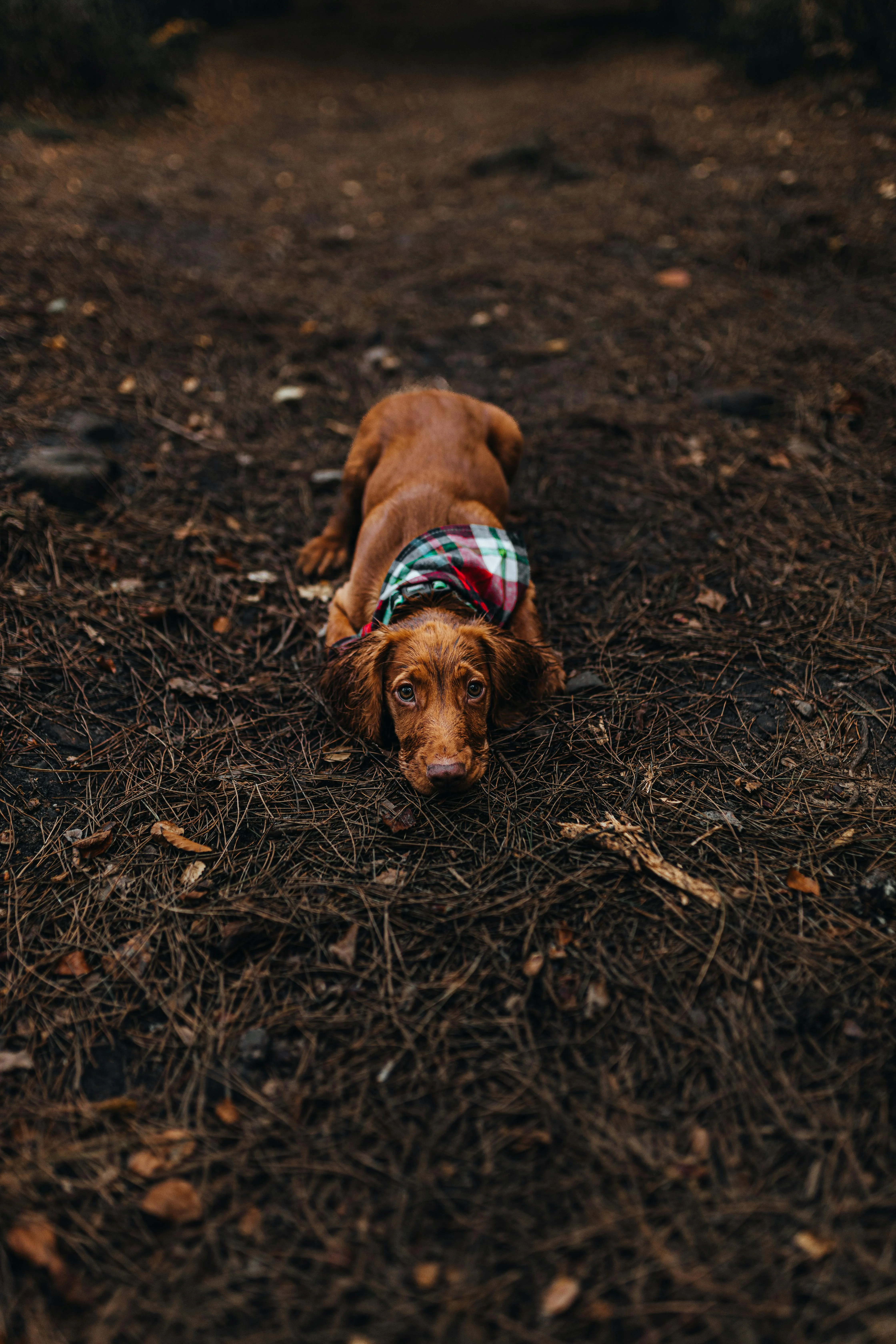
The Calm After the Play
One of the most underappreciated benefits of play is what happens afterward. A dog who has had adequate play is a dog who can settle. That peaceful pup curled up at your feet isn't just tired physically—they're content mentally and emotionally.
This is why trainers often recommend a good play session before working on calm behaviors or before situations that require patience (like a vet visit or house guests). A well-played dog has burned off excess energy and is neurologically primed for relaxation.
The Bottom Line
Play is not optional. It's not a luxury or a reward for good behavior—it's a fundamental need that directly impacts your dog's mental health, behavior, and quality of life. The research is clear: dogs who play regularly are happier, healthier, better behaved, and more strongly bonded to their humans.
So the next time your dog brings you that soggy tennis ball, remember that they're not just asking for entertainment. They're inviting you to participate in something that will make both of your lives better. And really, is there any better way to spend fifteen minutes than watching pure joy in motion?
Go play with your dog. Science says so.
Enjoyed this article?
Subscribe to get more training insights and updates delivered to your inbox.